Understanding Nutritional Components for Men's Wellbeing
Jukla is an independent knowledge hub dedicated to explaining the role of vitamins, minerals and balanced dietary principles in supporting general male health. No advice, no promises — only clear, factual information.
Explore Nutritional InsightsUnderstanding Key Nutrients for Men
An overview of the macro and micronutrients most frequently discussed in the context of men's general nutrition and everyday dietary balance.
Macronutrients
Proteins, carbohydrates and fats form the structural foundation of any balanced diet. Each plays a distinct role in supplying energy and supporting bodily processes at the cellular level.
Vitamins and Minerals
Micronutrients such as Vitamin D, the B complex, Zinc, and Magnesium are widely studied for their contributions to general physiological functions and overall vitality.
Antioxidants
Naturally occurring compounds found in plant-based foods, antioxidants are studied for their role in cellular protection and overall health maintenance as part of a varied diet.
Healthy Fats
Omega-3 and Omega-6 fatty acids are essential fats the body cannot produce on its own. Their dietary sources, including fatty fish, nuts and seeds, are key areas of nutrition education.
Dietary Fibre
Found primarily in whole grains, legumes, fruits and vegetables, dietary fibre supports digestive regularity and contributes to a well-rounded, nutritious eating pattern.
Hydration
Water is a foundational component of human physiology. Adequate daily fluid intake supports nutrient transport, temperature regulation and many other essential bodily functions.
Informational Context
The nutritional concepts outlined on this page represent general educational information based on widely available dietary science. Individual nutritional needs vary considerably based on age, activity level, and other personal factors. This information does not replace consultation with a qualified nutrition professional.
The Vital Role of Vitamins
Key vitamins and their general functions, explained through the lens of dietary science and supported by illustrative food sources.

Vitamin D and Bone Support
Vitamin D is primarily synthesised through skin exposure to sunlight and is also found in fatty fish, egg yolks and fortified foods. It plays a known role in calcium absorption and general skeletal health as part of a varied diet.
B-Complex Vitamins and Energy
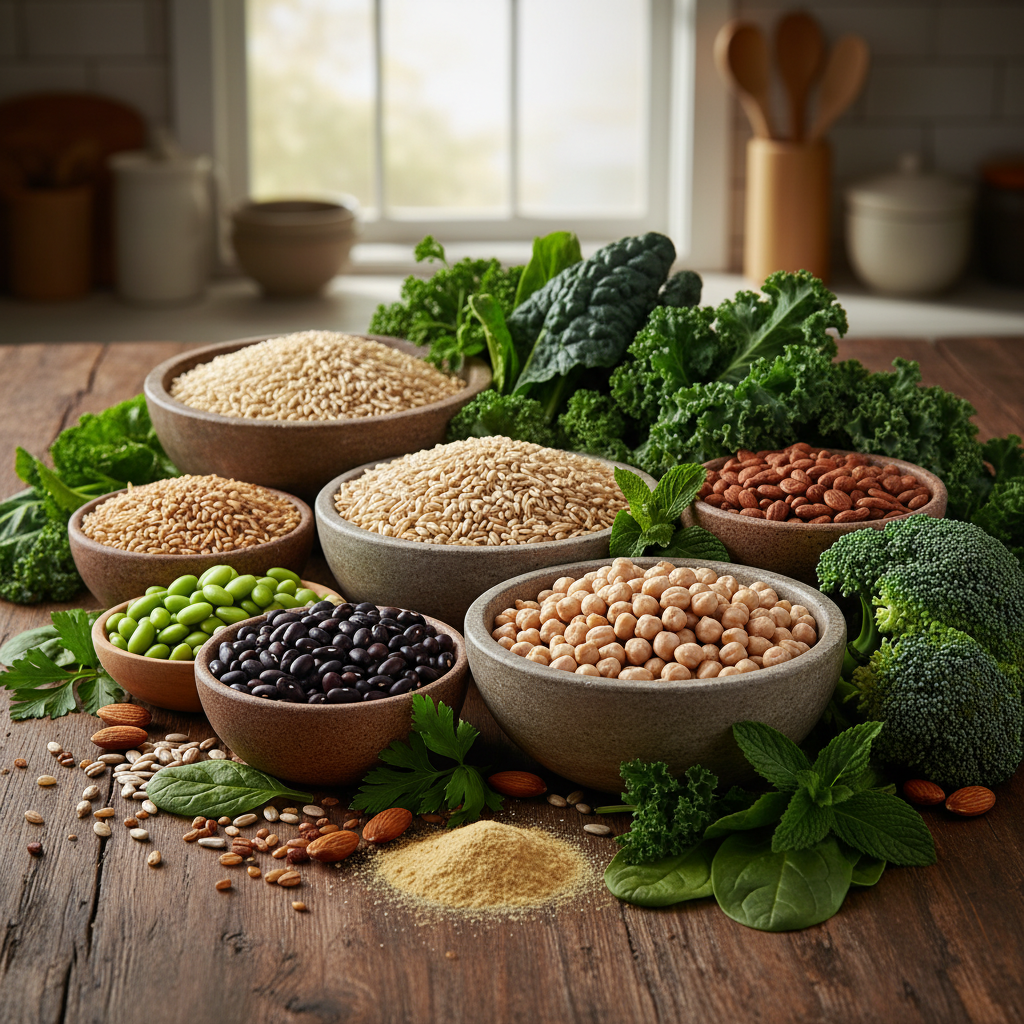
The B vitamin family — including B1, B2, B3, B6, B9 and B12 — contributes to the process of converting food into usable energy. These vitamins are widely present in whole grains, leafy greens, legumes and animal products.

Vitamin C and Cellular Defence
Found abundantly in citrus fruits, bell peppers, kiwi and broccoli, Vitamin C is a well-known antioxidant. It contributes to connective tissue support and is often discussed in the context of general immune function within nutritional science.
Essential Minerals for Male Health
Minerals are inorganic nutrients required by the body in varying quantities. Several minerals are frequently highlighted in nutritional discussions relating to men's general wellbeing.
Protein Sources and Their Benefits
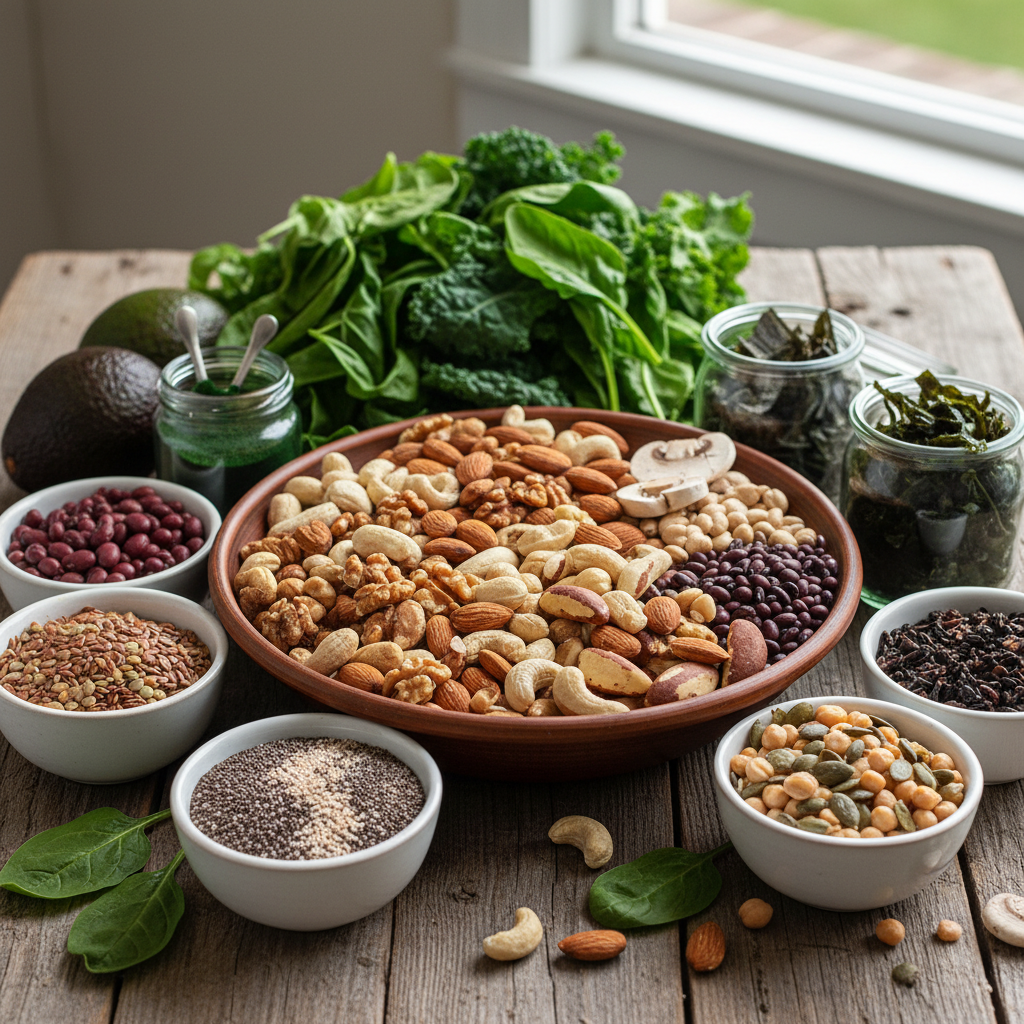
Proteins are composed of amino acids and serve as the structural building blocks for muscles, enzymes and many other biological components. Understanding different protein sources helps in building a balanced dietary approach.
Animal Proteins
Chicken, turkey, eggs, fish and dairy products are considered complete protein sources, containing all essential amino acids required for basic physiological function.
Legumes and Pulses
Lentils, chickpeas, black beans and soybeans provide plant-based protein along with dietary fibre and a variety of micronutrients, making them nutritionally versatile.
Nuts and Seeds
Almonds, walnuts, pumpkin seeds and hemp seeds contribute moderate levels of protein alongside beneficial fatty acids and minerals like Magnesium and Zinc.
Whole Grains
Quinoa, oats and brown rice provide partial protein contributions. When combined with legumes, they can together supply all essential amino acids within a plant-forward dietary pattern.
Dairy and Alternatives
Yogurt, milk and cheese deliver protein alongside calcium and B vitamins. Fortified plant-based alternatives such as soy or oat milk can serve similar dietary purposes.
Seafood
Salmon, sardines, tuna and mackerel are rich protein sources that additionally provide Omega-3 fatty acids, Vitamin D and selenium, making them especially nutrient-dense options.
Healthy Fats: Importance and Sources
Not all dietary fats are equivalent. Understanding the distinction between fat types and their primary food sources is a fundamental aspect of nutritional literacy.

Omega-3 Fatty Acids
Omega-3 fatty acids are classified as essential because the body cannot synthesise them independently. They are divided into three main types: ALA (found in flaxseeds and walnuts), EPA and DHA (found predominantly in fatty fish such as salmon, mackerel and herring).
In the context of nutritional science, Omega-3s are frequently cited in discussions about cardiovascular health, inflammation markers and general brain function, forming a well-studied component of dietary guidelines internationally.
Monounsaturated Fats
Found in olive oil, avocados and most nuts, monounsaturated fats are a staple of many traditional dietary patterns associated with good general health. The Mediterranean dietary model, for example, emphasises these fat sources extensively.
Carbohydrates: Energy for Life
Carbohydrates are the body's primary fuel source. While often discussed in oversimplified terms, carbohydrate quality and source are the key factors that nutritional science consistently emphasises.
The Role of Carbohydrates in Energy Metabolism
When digested, carbohydrates are broken down into glucose, which enters the bloodstream and provides energy to cells. The rate at which this occurs — known as the glycaemic response — varies significantly based on the type of carbohydrate consumed.
Complex vs. Simple Carbohydrates
Nutritional education consistently distinguishes between complex and simple carbohydrates as a means of understanding how different foods affect the body's energy dynamics.
Complex Carbohydrates
- Oats, barley and whole wheat
- Brown rice and quinoa
- Legumes and lentils
- Root vegetables (sweet potato)
- Slower energy release
- Higher dietary fibre content
Simple Carbohydrates
- White bread and refined flour
- Sugary beverages and sweets
- Processed breakfast cereals
- Fruit (natural simple sugars)
- Faster energy release
- Lower fibre content generally

Antioxidants for Cellular Health
Antioxidants are compounds that help neutralise free radicals — unstable molecules produced naturally during metabolic processes. A diet rich in varied plant-based foods generally provides a broad spectrum of these compounds.
They are widely distributed across fruits, vegetables, whole grains and beverages such as green tea. Nutritional science generally supports a food-first approach to antioxidant intake rather than supplementation.
Hydration: The Foundation of Wellbeing
Water constitutes approximately 60% of the human body and is involved in virtually every physiological process, from nutrient transport and joint lubrication to temperature regulation and waste removal. Adequate hydration is a cornerstone of any nutritional framework.
Plain water remains the most straightforward source of hydration and is recommended as the primary beverage in most dietary guidelines worldwide.
Fruits and vegetables with high water content — such as cucumber, watermelon and citrus — contribute meaningfully to overall daily fluid intake.
Hydration needs increase with physical activity, warmer temperatures and higher body mass, illustrating the importance of individual variation in dietary planning.
Herbal teas and diluted fruit infusions are commonly cited as hydrating alternatives that can contribute to overall daily intake in a varied and enjoyable way.
Balanced Diet Patterns
Numerous dietary models have been studied over decades of nutritional research. Each emphasises a distinct combination of food groups and proportions, yet most share a common foundation of whole, minimally processed ingredients.
Mediterranean Pattern
Centred on olive oil, whole grains, legumes, fish and abundant vegetables, this pattern is one of the most studied in nutritional science globally.
Plant-Forward Eating
Emphasising vegetables, legumes, whole grains and fruits as primary dietary components, this approach is associated with broad nutritional diversity.
Whole-Food Focus
Prioritising minimally processed foods in their natural or near-natural state, this general principle supports nutrient density across all macronutrient groups.
Variety and Balance
A recurring principle across all evidence-based dietary models is variety: consuming a wide range of food types ensures a broader spectrum of essential nutrients.

Understanding Food Groups
An overview of the primary food groups and their general contributions to a nutritionally complete dietary pattern.
| Food Group | Key Nutrients Provided | Common Examples | General Dietary Role |
|---|---|---|---|
| Vegetables | Vitamins A, C, K, folate, fibre, minerals | Broccoli, spinach, carrots, peppers | Micronutrient density, antioxidants, fibre |
| Fruits | Vitamin C, potassium, natural sugars, fibre | Apples, berries, oranges, bananas | Antioxidants, natural energy, hydration |
| Whole Grains | B vitamins, iron, fibre, complex carbohydrates | Oats, brown rice, whole wheat, quinoa | Sustained energy, digestive health |
| Proteins | Amino acids, iron, Zinc, B vitamins, Omega-3 | Fish, eggs, legumes, poultry, nuts | Tissue building, enzymatic processes |
| Dairy / Alternatives | Calcium, Vitamin D, protein, B12 | Milk, yogurt, cheese, fortified plant milk | Bone support, protein contribution |
| Healthy Fats | Omega-3, Omega-6, Vitamin E, monounsaturates | Avocado, olive oil, walnuts, flaxseed | Hormone support, fat-soluble vitamin absorption |
Nutritional Terminology Glossary
A concise, alphabetised reference guide to common terms encountered in nutritional science and educational dietary literature.
- Amino Acids
- The building blocks of proteins. The body uses 20 amino acids, of which nine are considered essential as they cannot be produced internally.
- Antioxidant
- A compound that neutralises free radicals, thereby helping to reduce oxidative stress at the cellular level.
- Bioavailability
- The proportion of a nutrient that is absorbed and utilised by the body after ingestion. Varies based on food form, preparation method and individual factors.
- Complex Carbohydrate
- A carbohydrate composed of longer molecular chains, resulting in a slower rate of digestion and energy release compared to simple sugars.
- Dietary Fibre
- Indigestible plant-based carbohydrates that support digestive function and contribute to satiety as part of a balanced diet.
- Essential Fatty Acid
- A fatty acid the body cannot synthesise and must obtain from dietary sources. Omega-3 and Omega-6 are the primary examples.
- Free Radical
- An unstable molecule produced during metabolic activity that can interact with cellular components. Antioxidants play a role in managing free radical levels.
- Glycaemic Index (GI)
- A scale indicating how rapidly a carbohydrate-containing food raises blood glucose levels compared to pure glucose as a reference point.
- Macronutrients
- The three primary nutrient categories required in relatively large quantities: carbohydrates, proteins and fats.
- Micronutrients
- Vitamins and minerals required by the body in smaller quantities but essential for a wide range of physiological processes.
- Omega-3 Fatty Acid
- A type of essential polyunsaturated fat found in fatty fish, flaxseeds and walnuts, studied in relation to cardiovascular and cognitive health.
- Phytonutrient
- Naturally occurring plant-based compounds (also called phytochemicals) that may contribute to general health. Examples include carotenoids, flavonoids and polyphenols.
Dispelling Nutritional Myths
Nutritional misinformation is widespread. Below are factual educational responses to some of the most frequently encountered misconceptions about diet and health.
Continue Exploring Nutritional Knowledge
Jukla offers a range of educational resources on nutritional science, dietary principles and general wellbeing. Browse the site to discover further factual, context-rich content.
Educational content only. No promises of outcomes.